Alexandrite
Alexandrite
BeAl₂O₄ Properties
- Category
- Gem
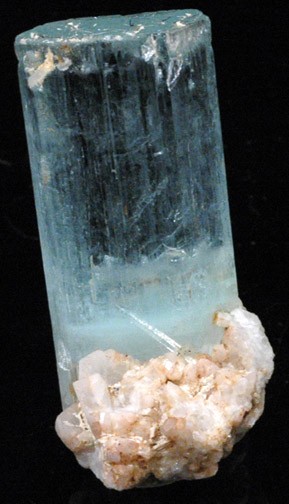
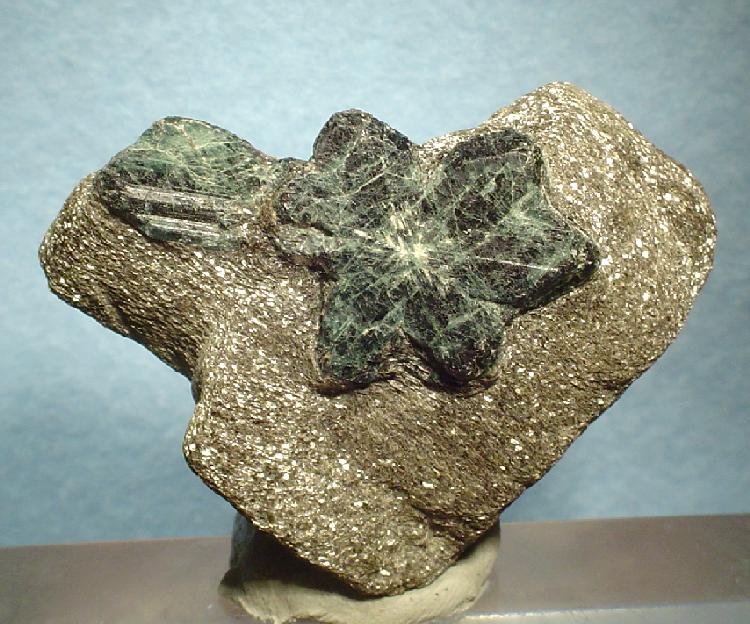
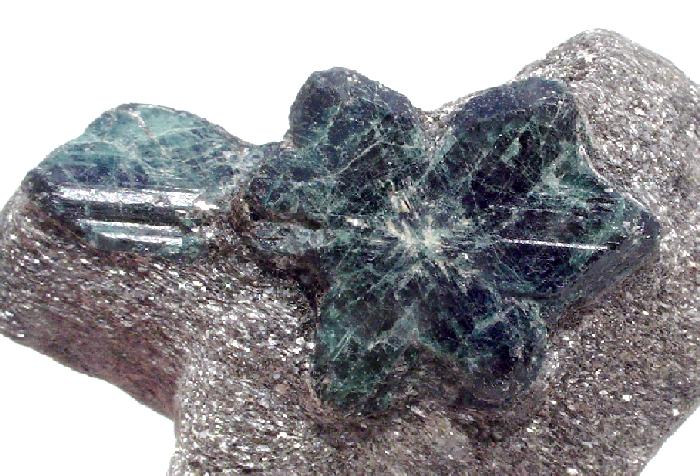
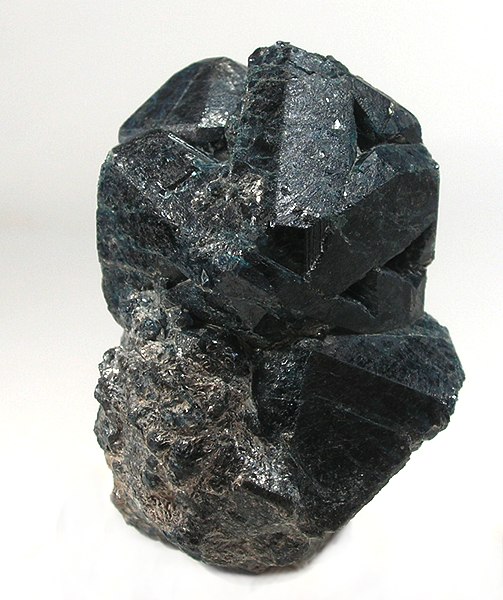
Alexandrite is a chromatic variety of chrysoberyl (BeAl₂O₄) that changes color depending on the light source: greenish-blue under natural light, red-violet under artificial light. This fascinating property, called *pleochroism*, makes it one of the most sought-after gemstones among collectors.
Alexandrite owes its fascinating color-changing property to the presence of trace chromium (Cr³⁺) that substitutes aluminum in the orthorhombic crystal structure. Discovered in 1830 in the Russian Urals and named in honor of Tsar Alexander II, it represents one of the most spectacular optical phenomena in the mineral kingdom. The gemstone forms in pegmatitic environments and metamorphic rocks rich in beryllium; the finest varieties come from Russia (Urals), Brazil (Minas Gerais), and Sri Lanka, where the pleochroic effect is particularly pronounced. On the gemological market, high-quality alexandrite reaches prices comparable to rubies, especially when the color change is sharp and transparency is high. Its hardness of 8.5 on the Mohs scale makes it suitable for any type of jewelry, although care should be taken during ultrasonic cleaning.
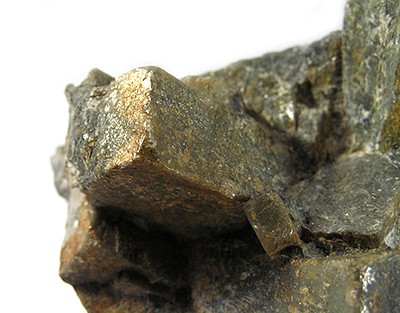
Crystal system: orthorhombic, space group *Pnma*. Lattice parameters: a = 9.404 Å, b = 5.476 Å, c = 4.426 Å. Density: 3.71–3.73 g/cm³. Refractive index: α = 1.746, β = 1.755, γ = 1.763 (birefringence Δ = 0.017). Hardness: 8.5 Mohs. Cleavage: imperfect along 110. Luster: vitreous. Pleochroism is trichroic: greenish-blue (a-axis), red-violet (b-axis), yellowish-green (c-axis). The absorption spectrum shows characteristic bands at 680 nm and 700 nm due to Cr³⁺. Fluorescence under UV light is variable: reddish under long-wave UV (365 nm), weak under short-wave UV. The color-change phenomenon (*Alexandrite Effect*) is caused by charge transfer between Cr³⁺ and Fe³⁺ under different color temperatures of incident light. Common inclusions include fingerprints, rutile needles, and occasional magnetite crystals. Under polarized light, birefringence is clearly visible. Raman spectroscopy shows characteristic peaks at 378, 502, and 645 cm⁻¹.
Mining localities
- Urali, Russia (Ekaterinburg region) — località classica, varietà più pregiata
- Minas Gerais, Brasile — produzioni significative di qualità commerciale
- Sri Lanka (Ceylon) — giacimenti storici, varietà con pleocroismo eccellente
- Myanmar (Birmania) — produzioni minori ma di buona qualità
- Tanzania — scoperte recenti di alessandrite di qualità gemmologica
- Madagascar — giacimenti minori, varietà di colore più pallido
Frequently Asked Questions
Why does alexandrite change color and how can I tell if it's authentic?
Alexandrite (BeAl₂O₄) changes color due to pleochroism: it appears green-blue in natural light and red-violet under artificial light, an optical property caused by trace amounts of chromium in the crystal lattice. To verify authenticity, observe it under different light sources and check for distinct color shifts; glass imitations or synthetic sapphire lack this characteristic effect.
How much does alexandrite cost and where can I buy a genuine one?
Natural gemstone-quality alexandrite costs between €500 and €3000+ per carat, with higher prices for stones showing intense pleochroism and no inclusions. Purchase only from certified gemologists or dealers with international gemological certificates (GIA, SSEF), as the natural variety is rare and often confused with synthetic imitations.
Is alexandrite a chrysoberyl? What's the difference from other stones?
Yes, alexandrite is a rare variety of chrysoberyl (BeAl₂O₄) colored by chromium, while common chrysoberyl is yellow-green and non-pleochroic. Unlike sapphires and rubies (aluminum oxide), chrysoberyl has an orthorhombic crystal structure and a hardness of 8.5 on the Mohs scale, making it slightly harder than sapphire.
Where does alexandrite come from? Which countries produce it?
Alexandrite is found primarily in Russia (Urals), Brazil, Sri Lanka, and Madagascar, with the finest specimens historically from the Russian Urals where it was discovered in 1830. Russian deposits are nearly depleted, making Brazil and Sri Lanka the current main sources of gemstone-quality stones.
Entry generated with Claude API (Anthropic) on data extracted from Mindat, RRUFF and Wikipedia. Not yet reviewed by a human expert. Verify data against original sources before citing in formal work.