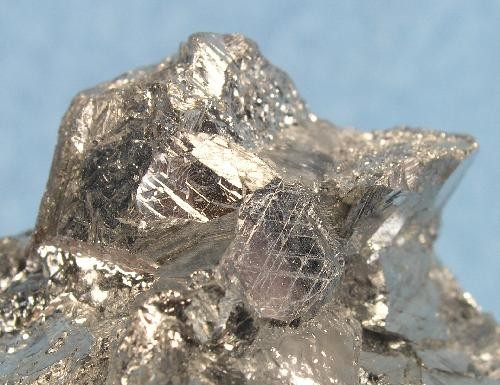
Murchison
Murchison
Silicati + C organico Properties
- Category
- Meteorite
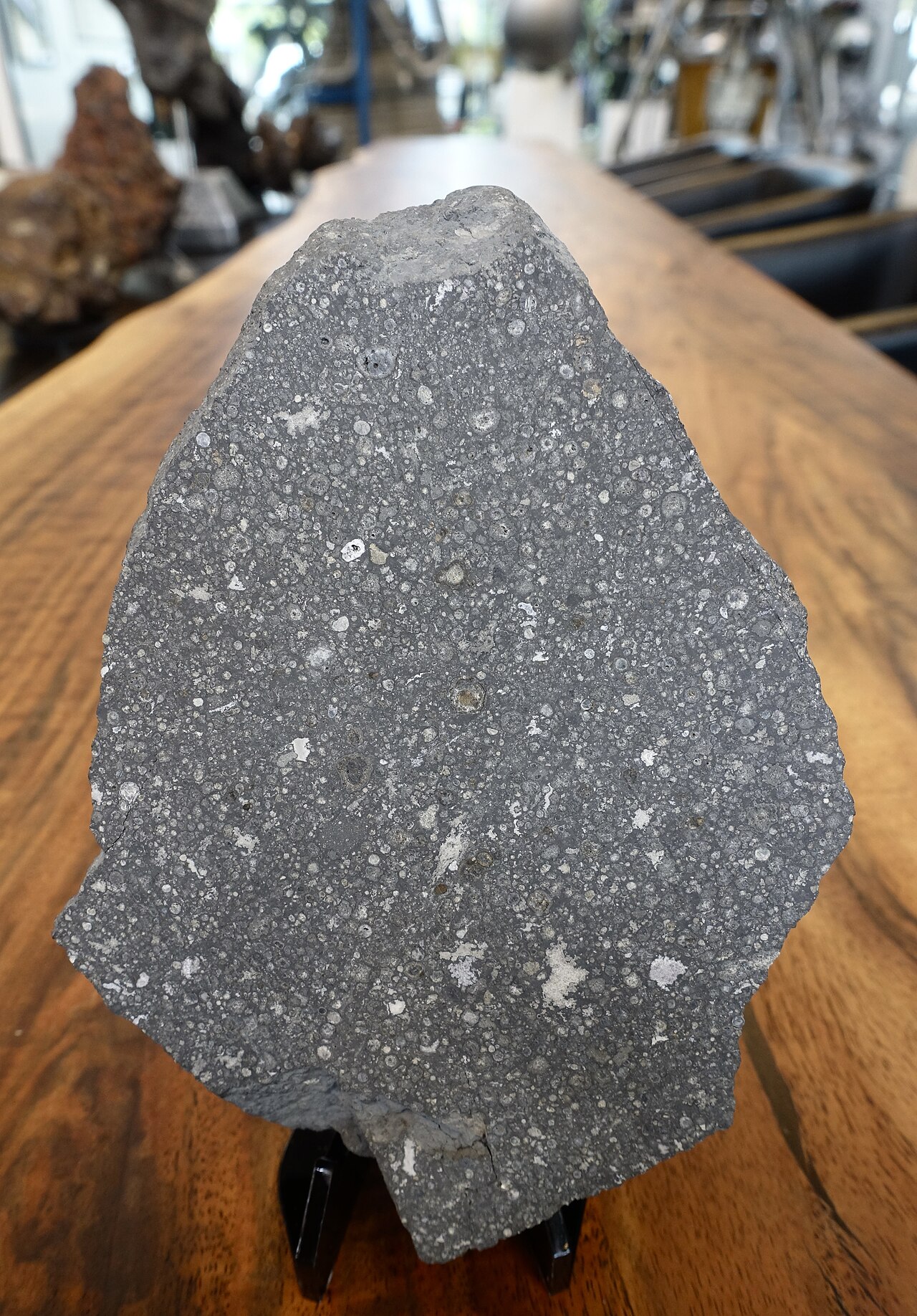
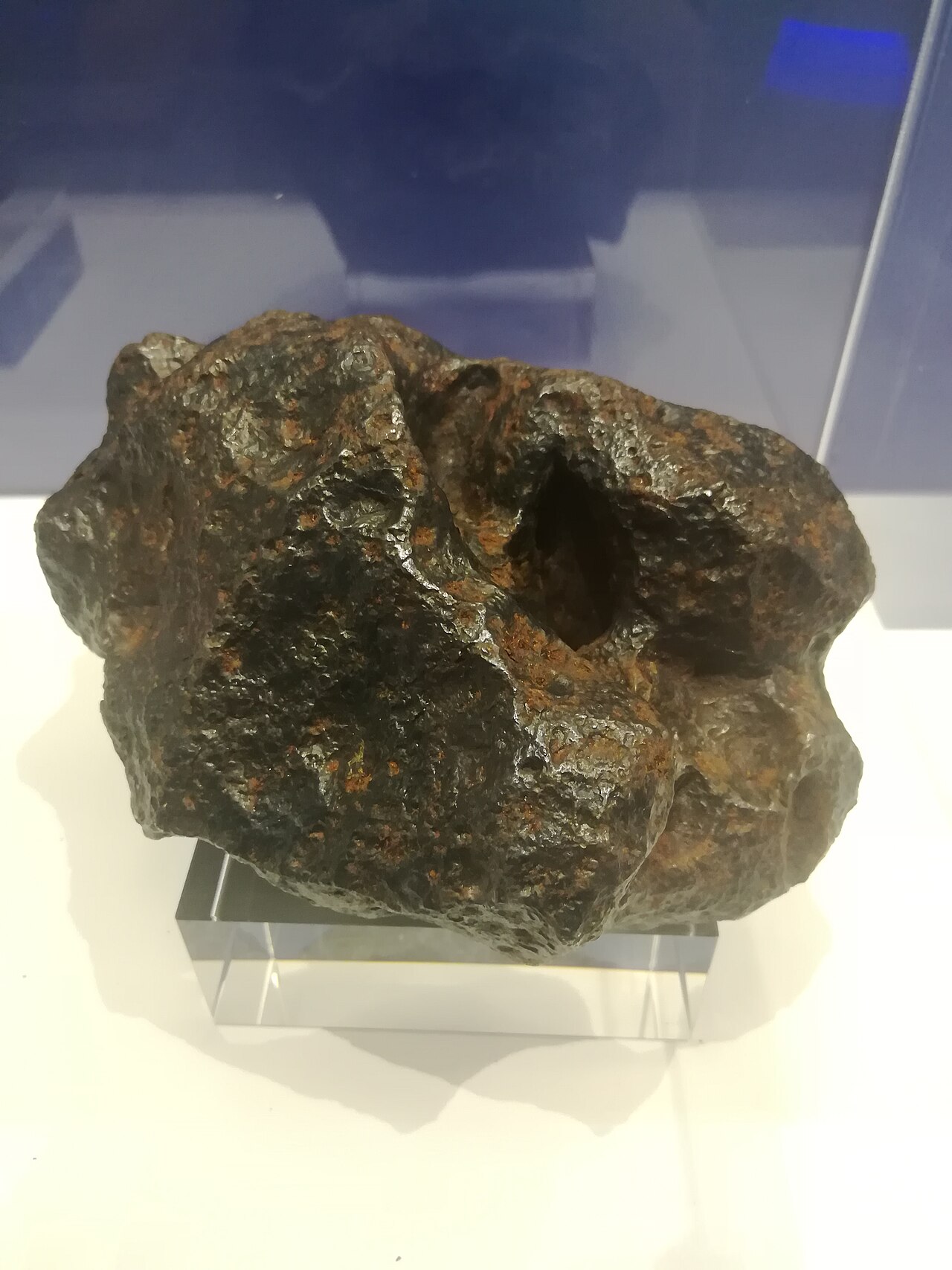
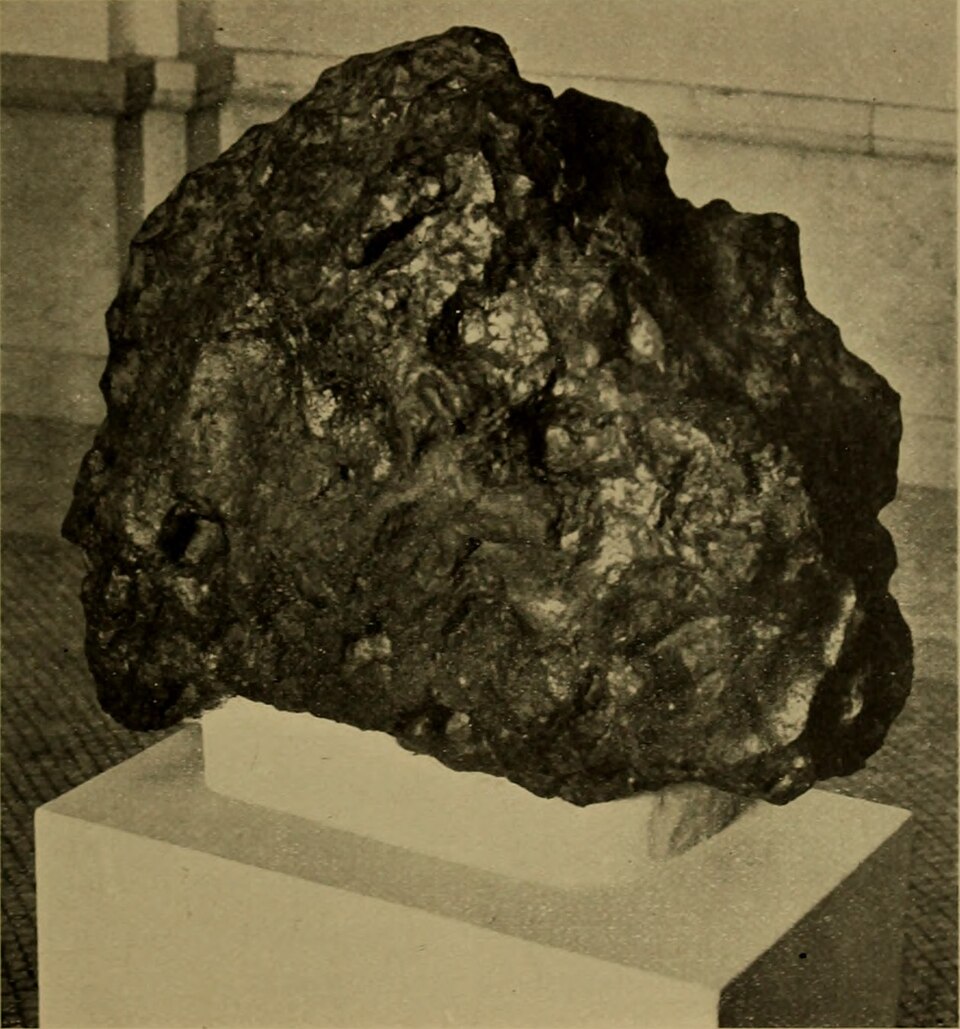
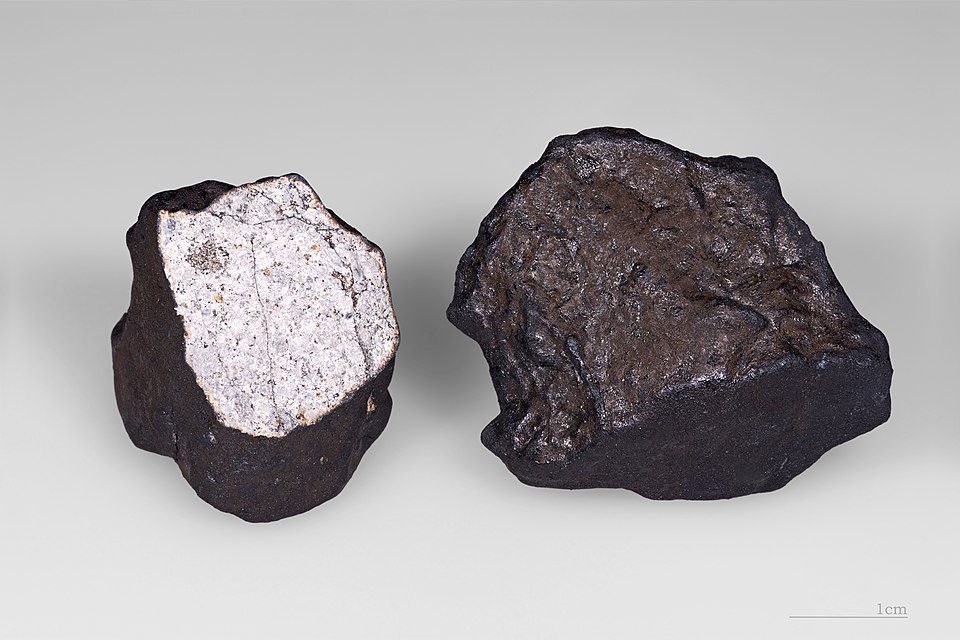
The Murchison meteorite is a carbonaceous chondrite that fell in Australia in 1969, renowned for containing primordial organic matter and refractory inclusions dating back to the formation of the Solar System 4.56 billion years ago.
The Murchison meteorite fell on September 28, 1969, in Victoria (Australia), with a total mass of approximately 100 kg. It belongs to the CM class (Mighei-type), characterized by a high percentage of organic matter (up to 3% by weight) and a moderate degree of aqueous alteration. Its composition includes hydrated silicates, magnetite, sulfides, and a rich variety of complex organic compounds, including amino acids, polycyclic aromatic hydrocarbons (PAH), and carboxylic acids.
The internal structure displays chondrules (millimeter-sized silicate spherules) embedded in a fine matrix, evidence of aggregation processes in the protoplanetary disk. Murchison has become an extraordinary archive for studying prebiotic chemistry and the evolution of matter in the primordial cosmos. Isotopic studies have revealed anomalies in oxygen and carbon isotopes indicating extrasolar origins of some components, confirming that the meteorite contains stardust.
Classification: Carbonaceous chondrite CM2. Bulk density: 2.1 g/cm³. Primary mineralogical composition: olivine (Fa24-26, iron-rich olivine), pyroxene (enstatite and diopside), feldspar (calcic plagioclase), magnetite, troilite (FeS), native nickel-iron. Matrix: hydrated silicates (serpentine, talc, chlorite) with organic matter inclusions. Water content: 11-13% by weight. Radiometric age (Pb-Pb): 4562 ± 4 Ma. Organic composition: more than 70 identified amino acids (both L and D forms), fatty acids, nucleobases, sugars, and aliphatic and aromatic hydrocarbons. Isotopic ratio δ¹³C: -5 to +50‰ (VPDB), indicative of multiple origins. Raman spectroscopy: D and G bands of amorphous/graphitized carbon. Absence of crystalline structure in the traditional sense; the matrix is predominantly amorphous with nanometric crystallites. Mohs hardness of the silicate component: 4-5 (due to serpentine and fragile hydrated minerals).
Mining localities
- Murchison, Victoria, Australia
- Australian Museum, Sydney, Australia
- Smithsonian Institution, Washington D.C., USA
- Natural History Museum, London, UK
- Muséum national d'Histoire naturelle, Paris, France
Frequently Asked Questions
How much is a Murchison meteorite fragment worth and where can I buy it?
Authentic Murchison fragments cost between €5 and €15 per gram, with higher prices for museum-certified specimens. They are available through specialized meteorite dealers, scientific auction houses, and some museums, but authentication through provenance certificates and petrographic analysis is essential.
How can I recognize a real Murchison meteorite from an ordinary terrestrial rock?
The Murchison meteorite displays a characteristic dark gray color with white refractory inclusions (CAI), a density higher than common rocks (3.4-3.5 g/cm³), and contains organic matter visible under a microscope. The presence of chondrules (silicate spheres) and carbon-rich composition are diagnostic indicators requiring laboratory analysis for definitive confirmation.
What makes the Murchison meteorite so important for science?
Murchison is extraordinary because it contains primordial organic matter, including extraterrestrial amino acids, dating back 4.56 billion years, allowing us to study the chemical processes that preceded the origin of life. The refractory inclusions (CAI) also provide direct information about the primitive solar nebula and stellar nucleosynthesis that generated the elements of our Solar System.
What is the mineralogical and chemical composition of the Murchison meteorite?
Murchison is a carbonaceous chondrite composed mainly of silicates (olivine, pyroxene), magnetite, and approximately 3-5% of carbon-based organic matter, with traces of sulfur compounds and phosphates. The approximate formula is (Mg,Fe)₂SiO₄ for olivine and Ca(Mg,Fe)Si₂O₆ for pyroxene, with inclusions of complex organic compounds such as polymers and prebiotic macromolecules.
Entry generated with Claude API (Anthropic) on data extracted from Mindat, RRUFF and Wikipedia. Not yet reviewed by a human expert. Verify data against original sources before citing in formal work.