Zircon
Zircone
ZrSiO₄ Properties
- Category
- Gem
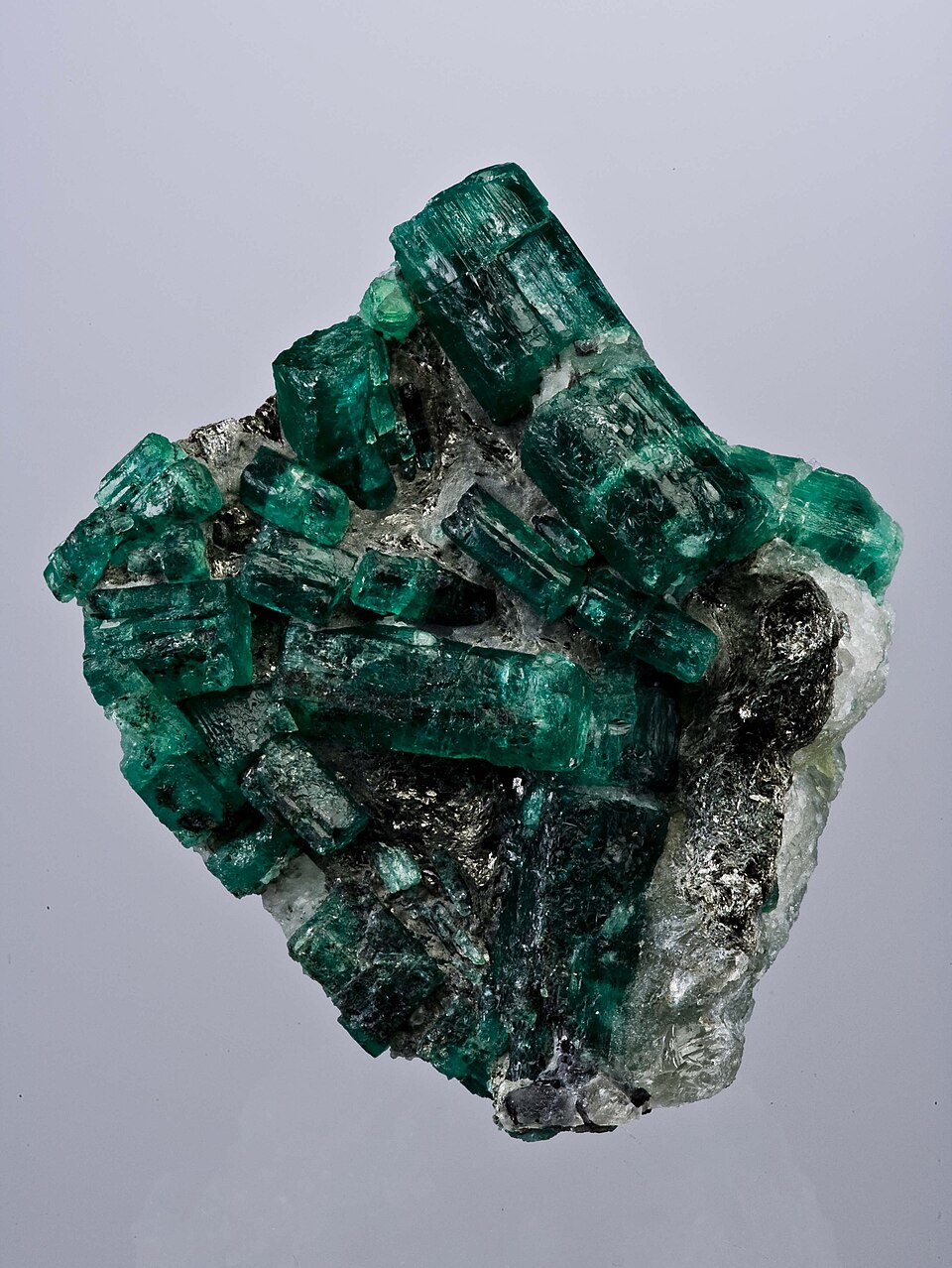
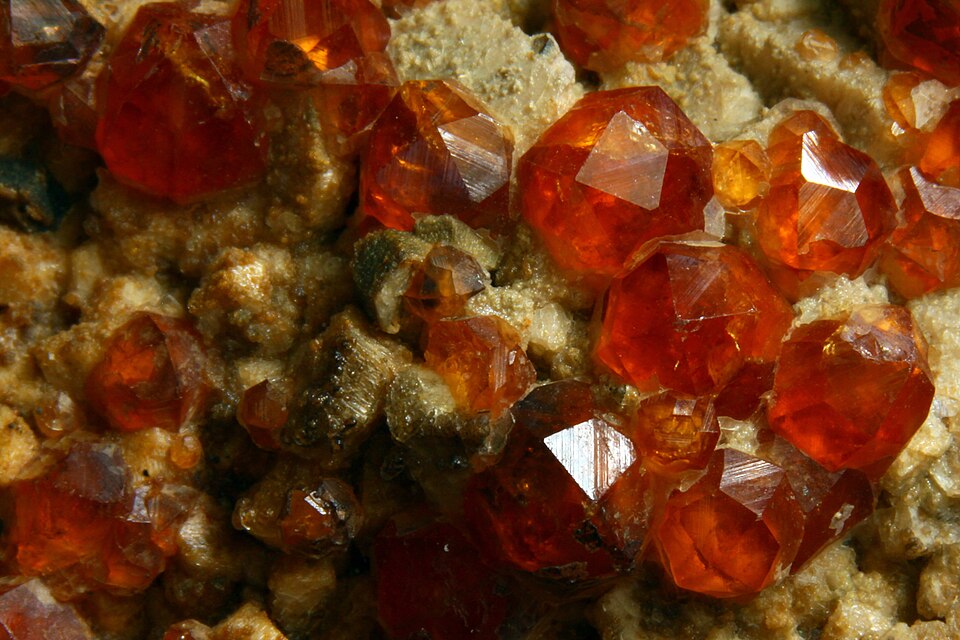
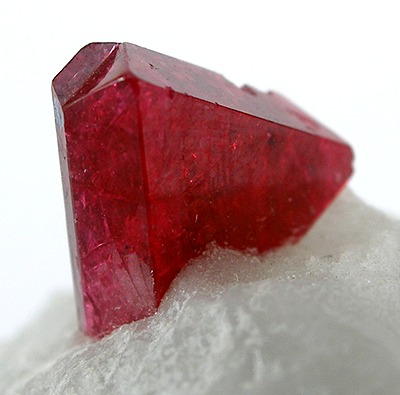
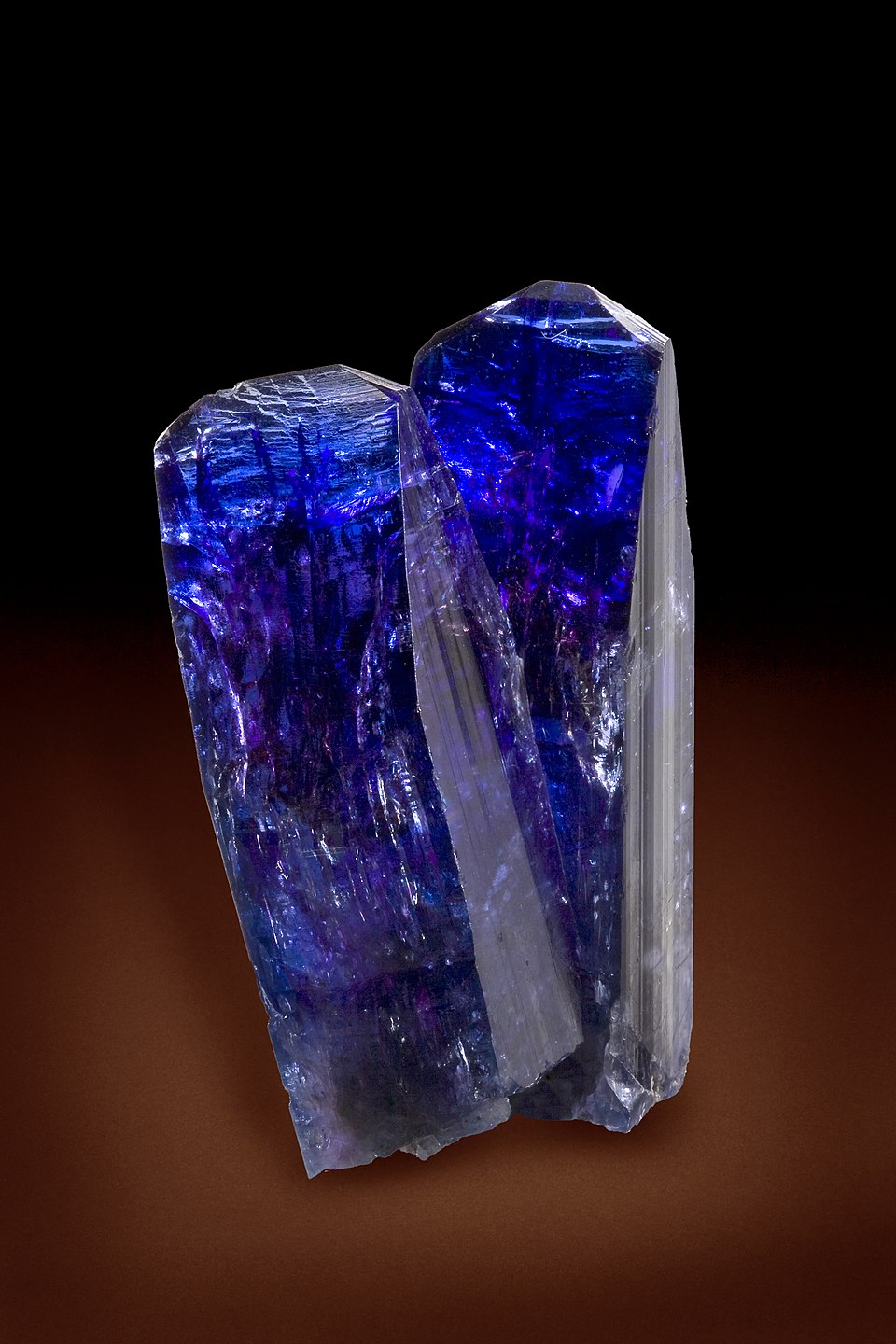
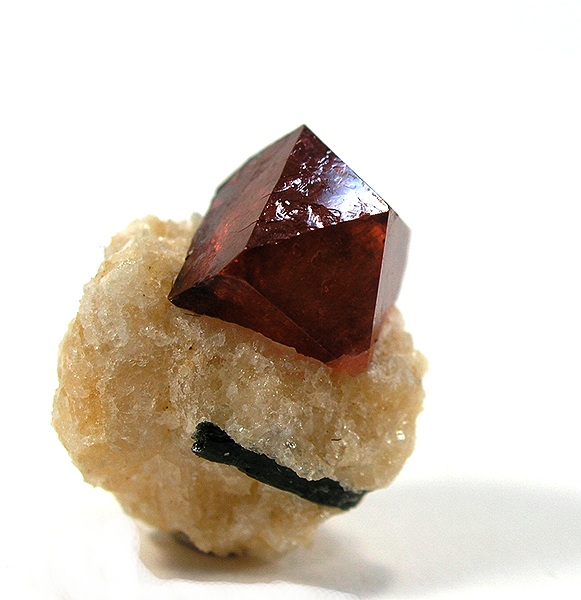
Zircon is a zirconium silicate (ZrSiO₄) that forms tetragonal crystals that are transparent or colored, with a hardness of 7.5 on the Mohs scale. It is an ancient gem appreciated for millennia, often confused with diamond for its brilliance, and represents one of the minerals richest in gemological history.
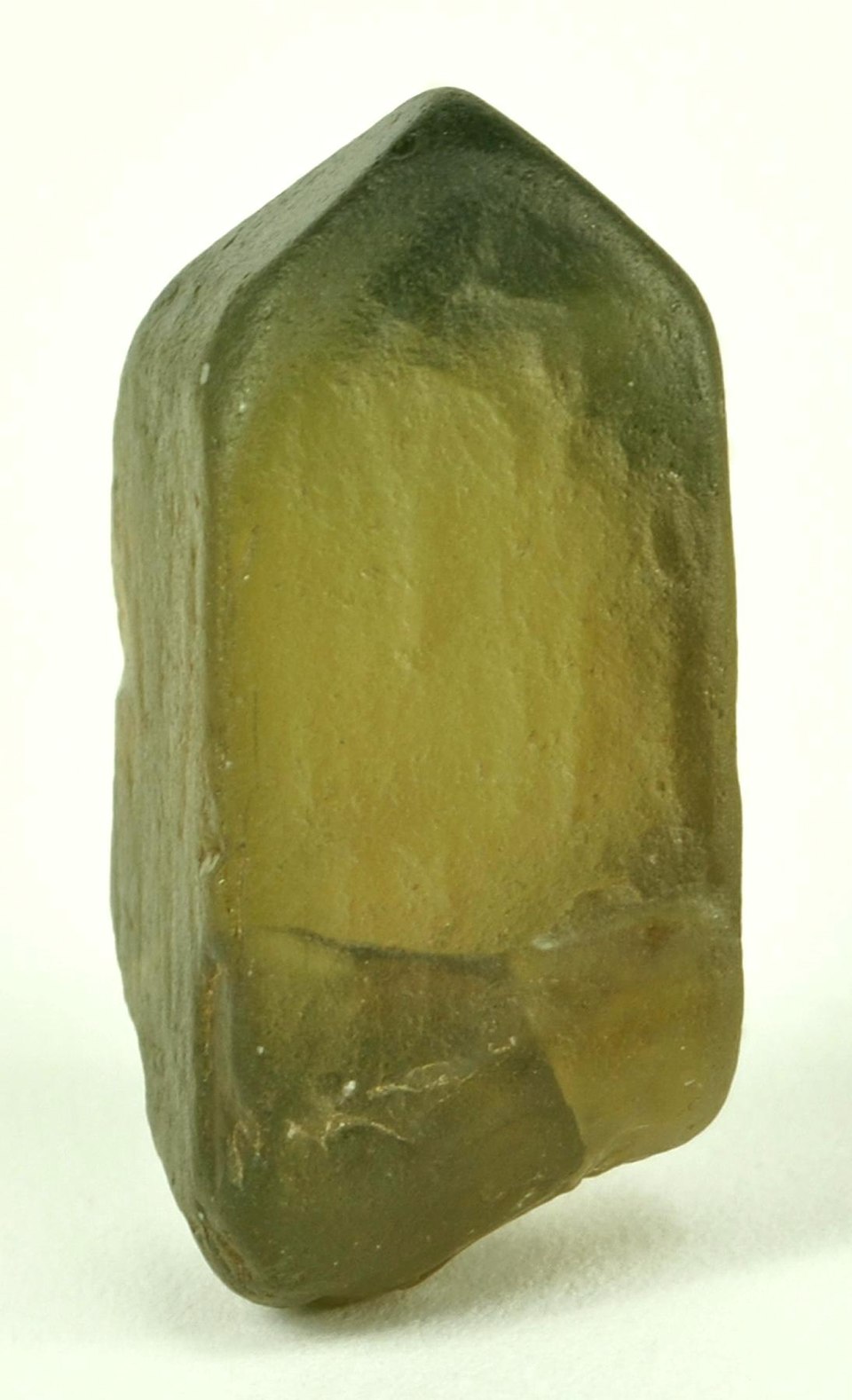
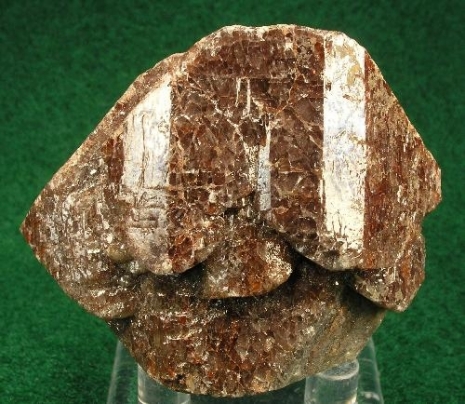
Zircon is a zirconium silicate that crystallizes in the tetragonal system, forming characteristic prismatic crystals, often bipyramidal. Its hardness of 7.5 makes it suitable for jewelry, although inferior to topaz and diamond. Chemically pure (ZrSiO₄), it can contain traces of uranium and thorium that alter its optical properties and render it radioactive in some cases.
Historically, zircon was confused with diamond until the 18th century: the colorless and brilliant crystals from the Matara deposit in Sri Lanka were called "false diamonds" by Europeans, while in the East it was already known as a precious gem. Today the main deposits are found in Cambodia (intense red and blue varieties), Sri Lanka (colorless and yellow), Myanmar, Australia, and Tanzania. The gemological market clearly distinguishes between natural and synthetic zircons: zircons subjected to heat treatment can develop intense blue or vibrant red colors, highly sought after by collectors. The blue variety is particularly prized and represents an economical alternative to blue sapphires.
Crystal system: tetragonal, space group I41/amd. Lattice parameters: a = 7.40 Å, c = 5.98 Å. Mohs hardness: 7.5. Density: 4.6–4.7 g/cm³ (increasing to 5.1 in metamict zircons rich in uranium). Refractive index: ordinary 1.923–1.960, extraordinary 1.968–2.015 (birefringence 0.045–0.055). Chromatic dispersion: 0.038 (superior to diamond 0.044 in some samples). Pleochroism: variable according to color; in blue stones can be marked (dark blue/colorless). UV spectroscopy: yellow-green fluorescence under long-wave lamp (365 nm); some samples show phosphorescence. Absorption: characteristic bands around 653 nm (reds), 475 nm (blues). Common inclusions: rutile needles, accessory mineral crystals, traces of radioactivity (pleochroic halo) from uranium. Distinction from diamond: significantly lower refractive index, marked birefringence visible in polarized light, greater density. Treatments: thermal heating (heat treatment) at 800–1200 °C to stabilize and intensify colors, particularly effective for developing blues from colorless crystals (conversion of crystal structure from α form to β form). Metamict zircons (radiation-damaged) show isotopes of uranium and thorium and partial loss of crystal structure, resulting in decreased refractive index and increased density.
Mining localities
- Matara, Sri Lanka
- Chanthaburi, Cambogia
- Mogok, Myanmar
- New South Wales, Australia
- Arusha, Tanzania
- Ratnapura, Sri Lanka
- Pailin, Cambogia
- Ilakaka, Madagascar
Frequently Asked Questions
How can you distinguish zircon from a diamond?
Zircon has a hardness of 7.5 on the Mohs scale, lower than diamond's 10, making it more prone to scratching. The most reliable method is observing optical fire: zircon displays strong birefringence that creates a distinct doubling of light rays, while diamond has single refraction. A gemologist can confirm identity through density testing and microscopic analysis.
What is zircon's chemical formula and how does it form?
Zircon is a zirconium silicate with the chemical formula ZrSiO₄ that crystallizes in the tetragonal crystal system. It forms in acidic igneous rocks, pegmatites, and metamorphic environments at high temperature and pressure, where zirconium ions combine with silica. It is one of Earth's oldest minerals, with crystals dating back over 4 billion years.
What is the price of zircon and where can it be found?
Gem-quality zircon typically costs between 20 and 200 euros per carat, depending on color, clarity, and origin. Major deposits are found in Sri Lanka, Cambodia, Myanmar, and Tanzania, with smaller quantities from Brazil and Thailand. Blue and red zircon varieties are the most sought-after and expensive on the market.
Is zircon suitable for engagement rings?
Zircon is less suitable than diamond for daily-wear rings because its 7.5 Mohs hardness makes it vulnerable to scratches and prolonged abrasion. However, it can be chosen for occasional jewelry thanks to its beautiful brilliance and fascinating colors. For an engagement ring, it's advisable to mount it with sturdy protection and wear it carefully, or consider alternatives like sapphire.
Entry generated with Claude API (Anthropic) on data extracted from Mindat, RRUFF and Wikipedia. Not yet reviewed by a human expert. Verify data against original sources before citing in formal work.