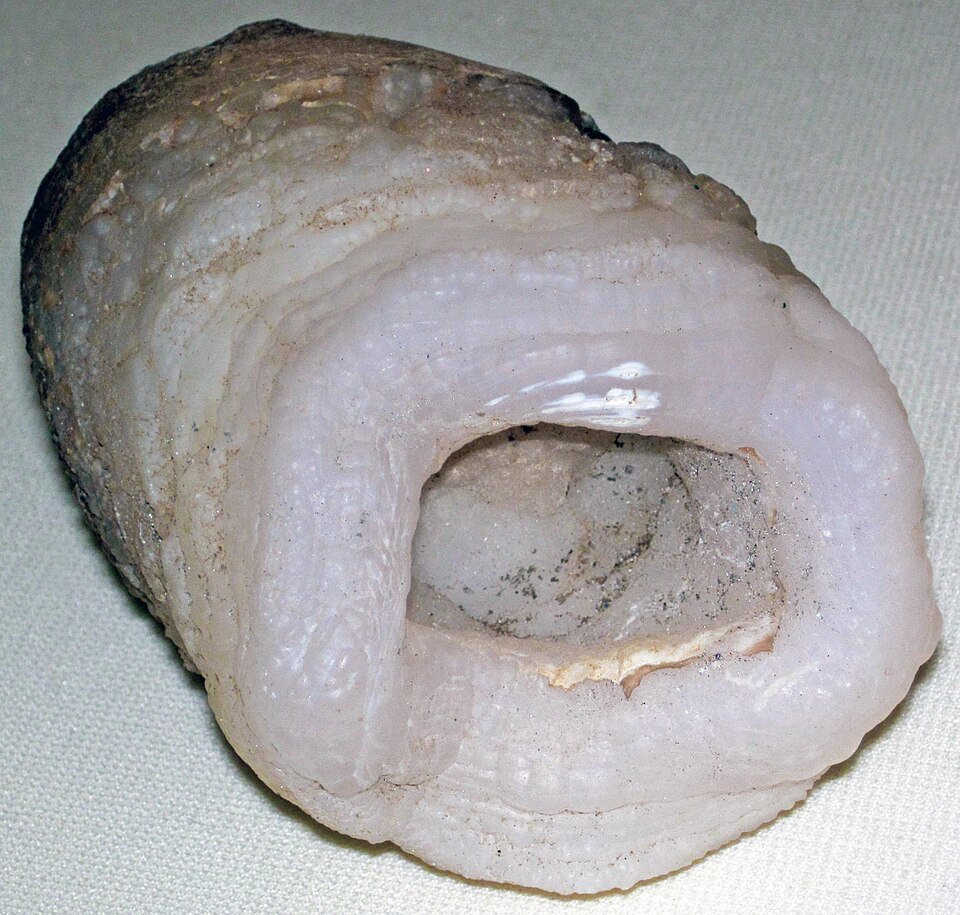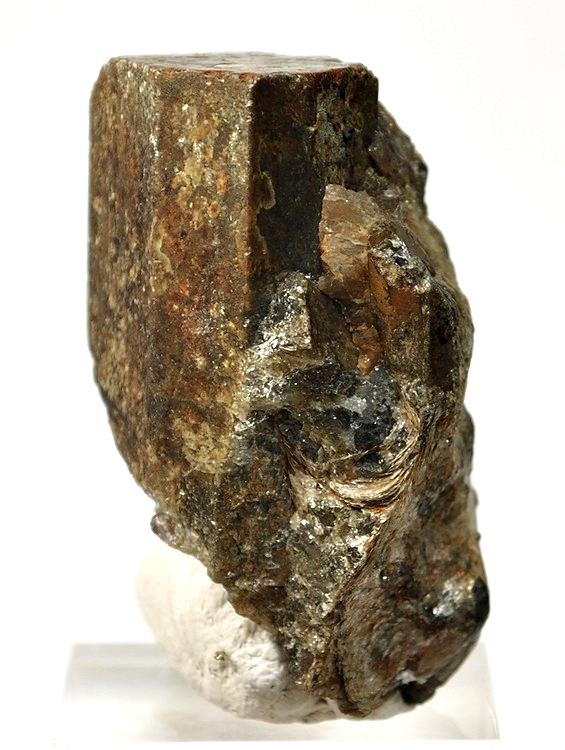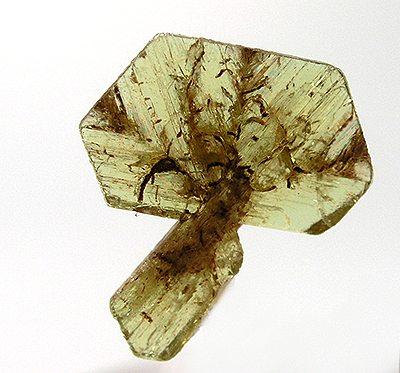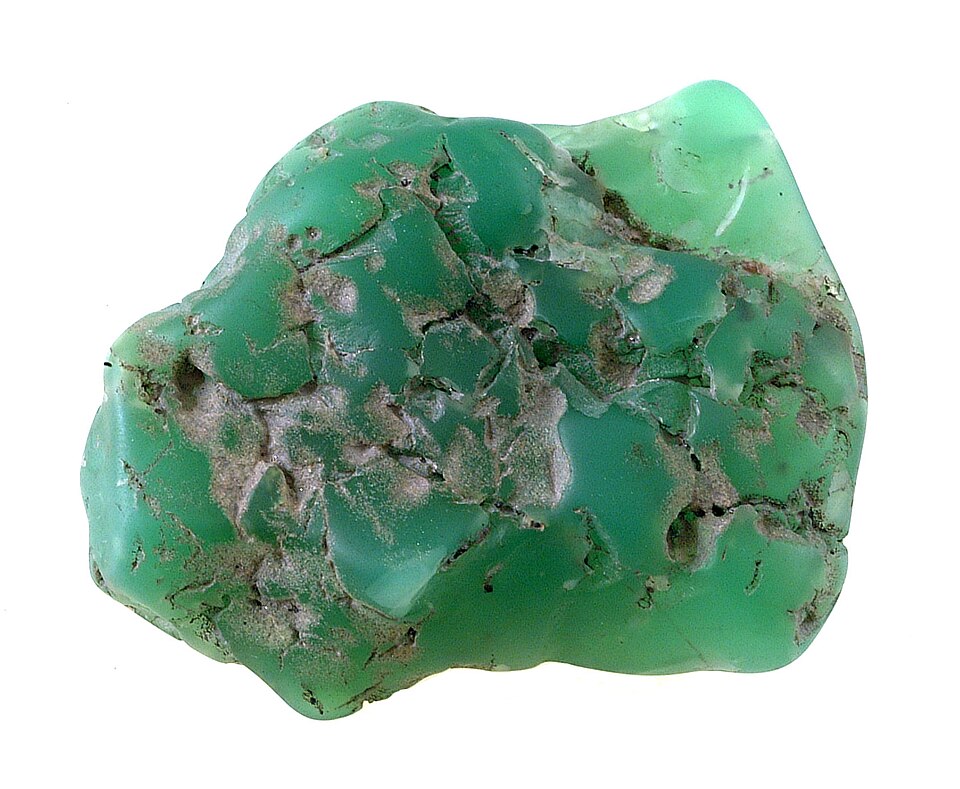
Andalusite
Andalusite
Al₂SiO₅ Properties
- Category
- Gem
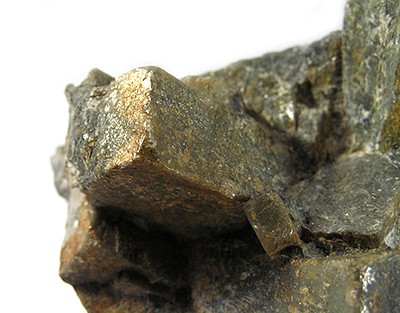
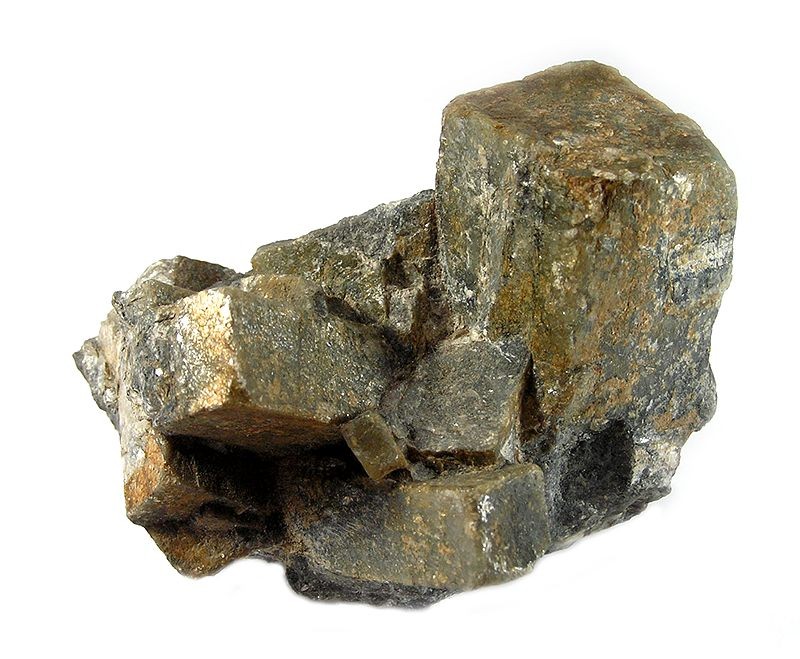
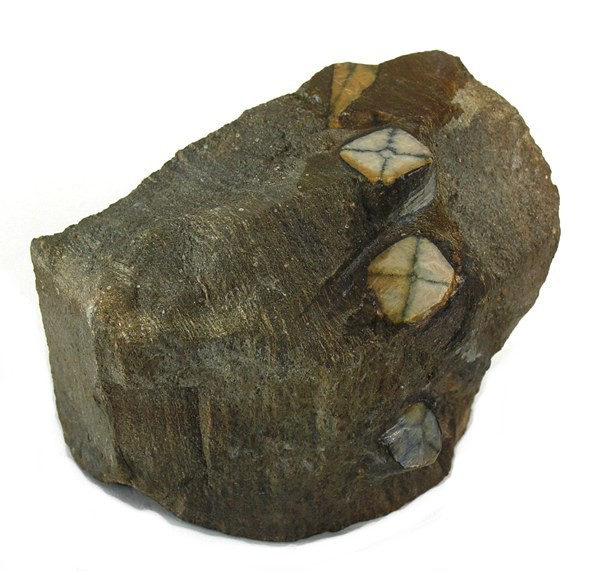
Andalusite is an orthorhombic aluminum silicate that forms prismatic crystals often characterized by a fascinating optical effect: *pleochroism*, namely the change in color observed when viewing the crystal from different angles. Its hardness of 7-7.5 Mohs makes it suitable for jewelry, especially in the *chiastolite* variety, recognizable by its characteristic black cross-shaped inclusions.
Andalusite (Al₂SiO₅) is a *nesosilicate* belonging to the group of aluminum silicates, together with kyanite and sillimanite, with which it shares the same chemical formula but different crystal structure (*polymorphism*). It forms predominantly in metamorphic environments at moderate pressure, especially in *metapelites* (metamorphosed shales and argillites) rich in aluminum. Its *pleochroism* is particularly pronounced: by observing a crystal from different angles, it is possible to appreciate colorations ranging from yellow-brown to red-violet to green, making it a gem sought after by collectors. The *chiastolite* variety (from the Greek *chiasma*, cross) contains inclusions of *carbon* and *hematite* arranged geometrically, creating a distinct black cross visible in cross-section. The principal gemological localities are Spain (Andalusia, from which the name derives), Brazil, Sri Lanka, and Myanmar. In the gemological market, transparent and well-colored specimens command moderate prices, lower than corundum but appreciated by enthusiasts for their rarity and character.
**Crystallographic data:** Orthorhombic system, space group *Pbnm*; cell parameters: a = 7.79 Å, b = 7.90 Å, c = 5.57 Å. **Optical properties:** Refractive index *nα* = 1.630–1.634, *nβ* = 1.633–1.638, *nγ* = 1.638–1.643; birefringence *δ* ≈ 0.009–0.013; strong pleochroism (X = yellow-brown, Y = red-violet, Z = olive-green). **Density:** 3.16–3.20 g/cm³. **Hardness:** 7–7.5 Mohs; imperfect cleavage along (110). **UV-Vis spectroscopy:** Characteristic absorption bands around 370–380 nm (Fe³⁺); weak fluorescence under long-wave UV. **Composition:** Pure Al₂SiO₅; traces of Fe²⁺/Fe³⁺ responsible for coloration. **Diagnostic inclusions:** In chiastolite, graphite and hematite inclusions oriented along crystallographic axes. **Distinction from polymorphs:** From kyanite by lower hardness and lower refractive indices; from sillimanite by higher density and crystal system. **Treatments:** Rarely treated; occasionally heated to intensify color.
Mining localities
- Andalusia, Spagna (chiastolite di Almería)
- Minas Gerais, Brasile (cristalli trasparenti giallo-rossi)
- Sri Lanka (gemme di qualità commerciale)
- Myanmar (cristalli di buona trasparenza)
- Bretagna, Francia (chiastolite storica)
- Penisola del Kola, Russia (associata a graniti metamorfici)
Frequently Asked Questions
What is pleochroism in andalusite and how do you observe it?
Pleochroism is the optical property of andalusite to change color when viewed from different angles due to different light absorption along its three crystallographic axes. This fascinating effect is one of the distinctive features of andalusite and makes it easily identifiable under a gemological microscope, typically showing shades of yellow, green, and brown.
Is andalusite suitable for rings and what is its hardness?
Andalusite has a hardness of 7-7.5 on the Mohs scale, making it sufficiently resistant for jewelry use, especially in rings with protective settings. However, it is slightly softer than quartz (7.5) and exhibits conchoidal fracture, so it requires more care than harder gemstones like sapphire.
How does andalusite form and in which rocks is it found?
Andalusite (Al₂SiO₅) forms as a metamorphic mineral in pelitic rocks subjected to low to medium-pressure metamorphism, typically in schists and gneisses. Well-formed crystals are found mainly in pegmatitic deposits and metamorphic rocks, with significant deposits in Spain, Brazil, and Madagascar.
What is the price of andalusite and where can you buy it as a gem?
Andalusite is a relatively rare mineral in gemological quality, with prices ranging from 20 to 200 euros per carat depending on transparency, color intensity, and pleochroic effect. It is purchased from specialized mineral suppliers, gemology shops, and online retailers, though quality specimens remain rarer than traditional gemstones.
Entry generated with Claude API (Anthropic) on data extracted from Mindat, RRUFF and Wikipedia. Not yet reviewed by a human expert. Verify data against original sources before citing in formal work.